

Providing sufficient information and asking the right question is half the way of getting help successfully. This is true for getting help for privacyIDEA on the mailing list, in a support contract and also with any commercial product. This is why the first question of the kind woman in the call center […]
Howto
39 posts
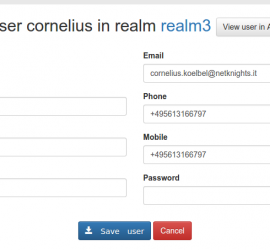
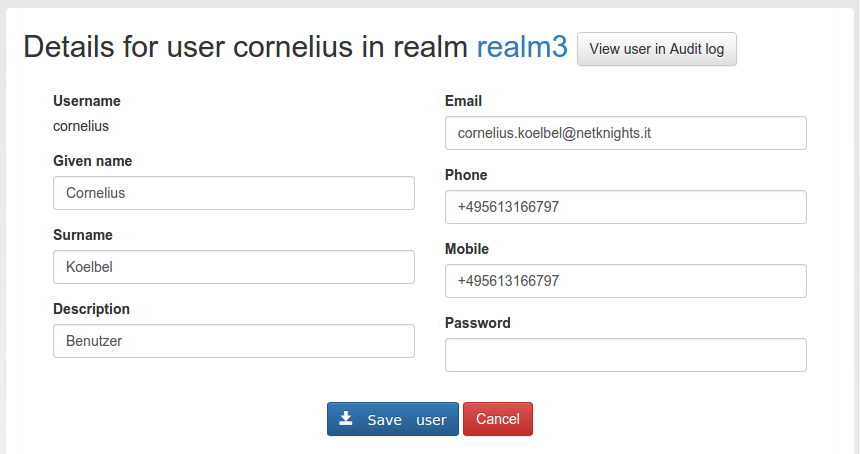
privacyIDEA has always assumed that the authentication will be used in an existing network on top of an existing application. Looking at a corporate network or at any application like your blog software, your VPN, your local login, there are always users. Users already exist. So I guess the assumption […]
There is a blog post (German) about adding two factor authentication to Request Tracker using privacyIDEA. Anyway, you can also see the adaption of the request tracker authentication module at github.
Installing privacyIDEA on Ubuntu 14.04LTS is easy as pie. Watch this video on YouTube. In short this is: add-apt-repository ppa:privacyidea/privacyidea apt-get update apt-get install privacyidea-apache2 You can also take a look at the online documentation.

There is a new Howto at howtoforge.com, that describes how you can secure your wordpress login using privacyIDEA.
Please note: This howto is outdated. It refers to a rather old version of privacyIDEA. Please read the install documentation at readthedocs. Starting with privacyIDEA 1.2 a debian package for Ubuntu 14.04 is availble. Please note, that you will not be able to install it on 12.04, since there would […]
There are some good howtos around, so that you may already have secured your SSH login to your single server using Google Authenticator as described here. Or did you set up a Yubico validation server and configured Yubikey authentication for a bunch of hosts via RADIUS? Today I will show […]

We published a new howto for setting up privacyIDEA to handle the strong authentication in a server farm. Have fun and be authentic 😉





A new howto is available at howtoforge. It shows how you can setup a privacyIDEA system on CentOS 6.5 in conjunction with the FreeRADIUS. Thus being able to have one central authentication system and connect many applications to this system via the RADIUS protocol.